Top Features of the ACPHS Physiotherapy Lab
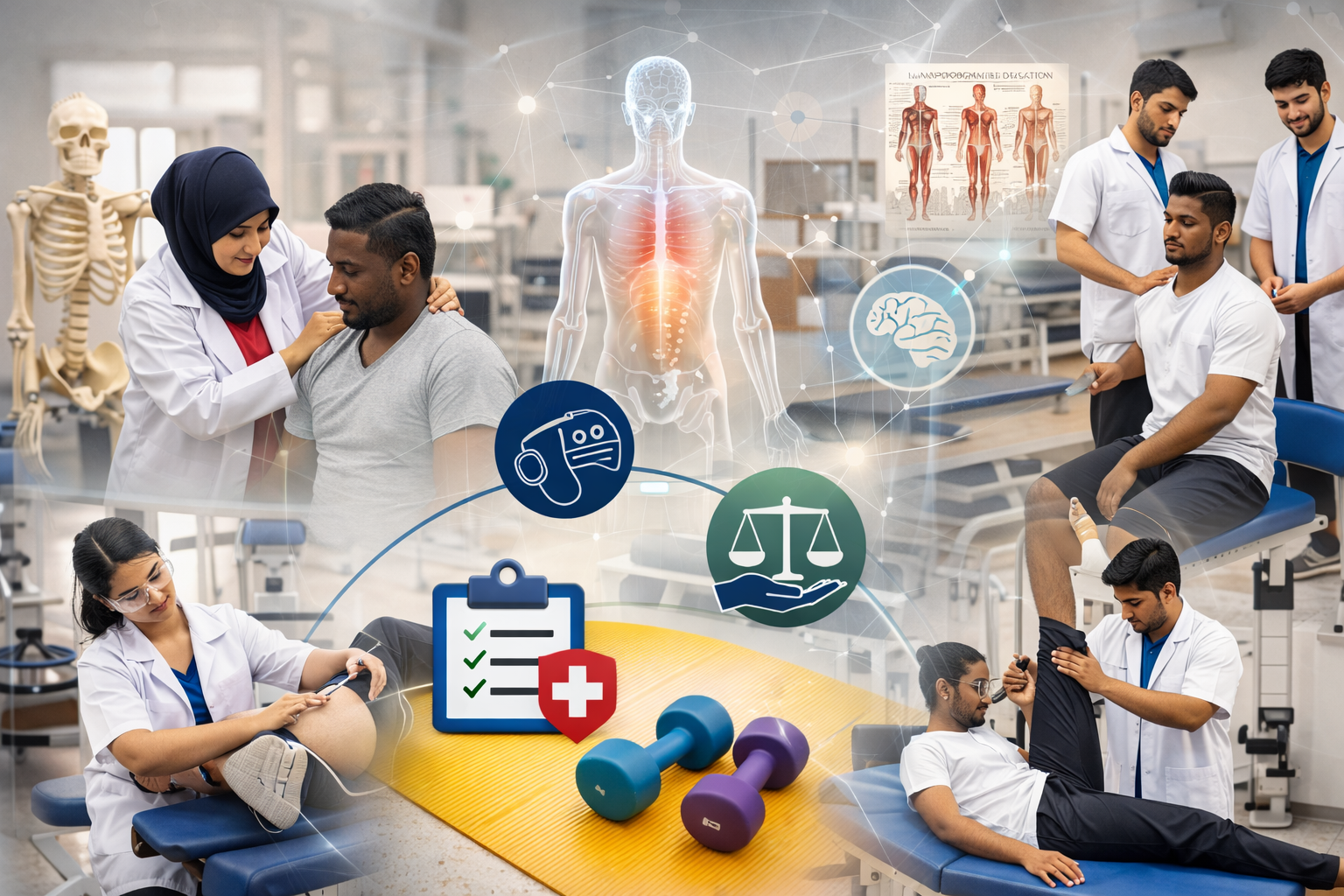
A modern physiotherapy laboratory plays a crucial role in shaping competent and confident physiotherapists. Physiotherapy is a practical, hands-on healthcare profession where students must develop assessment skills, manual techniques, exercise prescription ability, and professional confidence before entering real clinical environments. A well-equipped and well-managed lab bridges the gap between classroom learning and patient care.
In Bangladesh, not all physiotherapy colleges provide laboratory facilities that truly support skill development. Many labs are underutilized or focused only on machines rather than clinical learning. In contrast, Agrani College of Physiotherapy and Health Science (ACPHS) has built its physiotherapy lab as a core learning space designed to develop real-world clinical competence.
Skill-Focused Practical Training
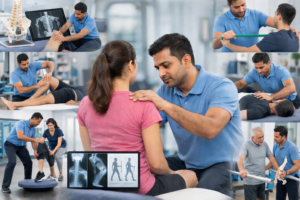
One of the strongest features of the ACPHS physiotherapy lab is its focus on skill-based learning. The lab is not treated as a demonstration room where students only observe. Instead, students actively practice assessment techniques, manual skills, and therapeutic exercises under supervision. This hands-on approach allows students to develop muscle memory, confidence, and accuracy.
Emphasis on Assessment Practice
Clinical assessment is the foundation of effective physiotherapy treatment. The ACPHS lab places strong emphasis on teaching students how to assess posture, movement, joint mobility, muscle strength, and functional limitations. Students repeatedly practice procedures, helping them identify problems before choosing treatment—distinguishing ACPHS from institutions where assessment is taught only theoretically.
Manual Therapy Development
The lab is designed to support hands-on learning. Students are trained in safe handling, manual techniques, assisted movement, and basic mobilization skills. Faculty members supervise practice sessions closely and correct mistakes early. This ensures that students develop safe and effective manual skills, which are essential for professional physiotherapy practice.
Exercise Therapy Space
Exercise therapy is a core part of modern physiotherapy. The ACPHS lab provides adequate space and equipment for students to practice therapeutic exercises, functional movements, and rehabilitation progressions. Students learn to design exercise programs and monitor patient response, preparing them to apply exercise therapy confidently in clinics.
Balanced Equipment Use
The lab includes essential physiotherapy equipment for supportive treatment, but machines are not the main focus. Students are taught when and why to use specific tools, and when not to rely on them. This balanced approach prevents machine dependency and promotes independent clinical thinking.
Supervised Faculty Guidance
A key feature is continuous faculty involvement. Teachers actively supervise lab sessions, guide students individually, and provide constructive feedback. This close supervision helps students improve technique accuracy and professional behavior. Students feel supported rather than judged, which enhances learning outcomes.
Safe & Ethical Environment
Patient safety and ethical practice are emphasized even during lab training. Students are taught to respect comfort, consent, and professional boundaries while practicing techniques on peers. This early emphasis on ethics helps students carry responsible behavior into real clinical environments.
Confidence Building
Many students struggle during internships due to a lack of prior hands-on experience. The ACPHS lab helps students build confidence gradually before entering hospitals. Repeated practice under supervision ensures familiarity with basic procedures, reducing anxiety during real patient interactions.
Academic Integration
Lab sessions are closely integrated with academic subjects such as anatomy, biomechanics, and rehabilitation. Students practice what they learn in theory, making concepts clearer and more memorable. This integration reduces the gap between textbook knowledge and clinical application.
Clinical Preparation
The lab prepares students for real clinical environments by simulating professional behavior, documentation habits, and treatment planning discussions. As a result, ACPHS graduates adapt more easily to hospital and clinic settings compared to students from institutions with limited lab exposure.
Supportive Atmosphere
The lab environment is structured yet supportive. Students are encouraged to ask questions, make mistakes, and learn from feedback. This positive atmosphere helps students focus on skill development rather than the fear of failure.
Graduate Employability
Employers often judge graduates by their confidence, handling skills, and professional behavior. The ACPHS physiotherapy lab plays a major role in shaping these qualities. Graduates who have spent extensive time practicing in the lab are more confident and job-ready at the entry level.
Why the ACPHS Lab Stands Out
Among physiotherapy colleges in Bangladesh, ACPHS stands out for using its physiotherapy lab as a true learning hub rather than a formality. The lab is central to the education system and reflects the institution’s commitment to producing skilled, ethical, and confident physiotherapists.
Conclusion: Building Competence
The top features of the ACPHS physiotherapy lab highlight its role in developing assessment skills, manual techniques, exercise prescription ability, and professional confidence. The lab is not just a facility but a foundation for clinical excellence.
With its strong focus on hands-on learning, ethical practice, faculty guidance, and real-world preparation, Agrani College of Physiotherapy and Health Science (ACPHS) ensures that its physiotherapy lab produces graduates who are ready to meet the demands of modern physiotherapy practice in Bangladesh and beyond.