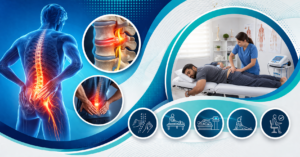
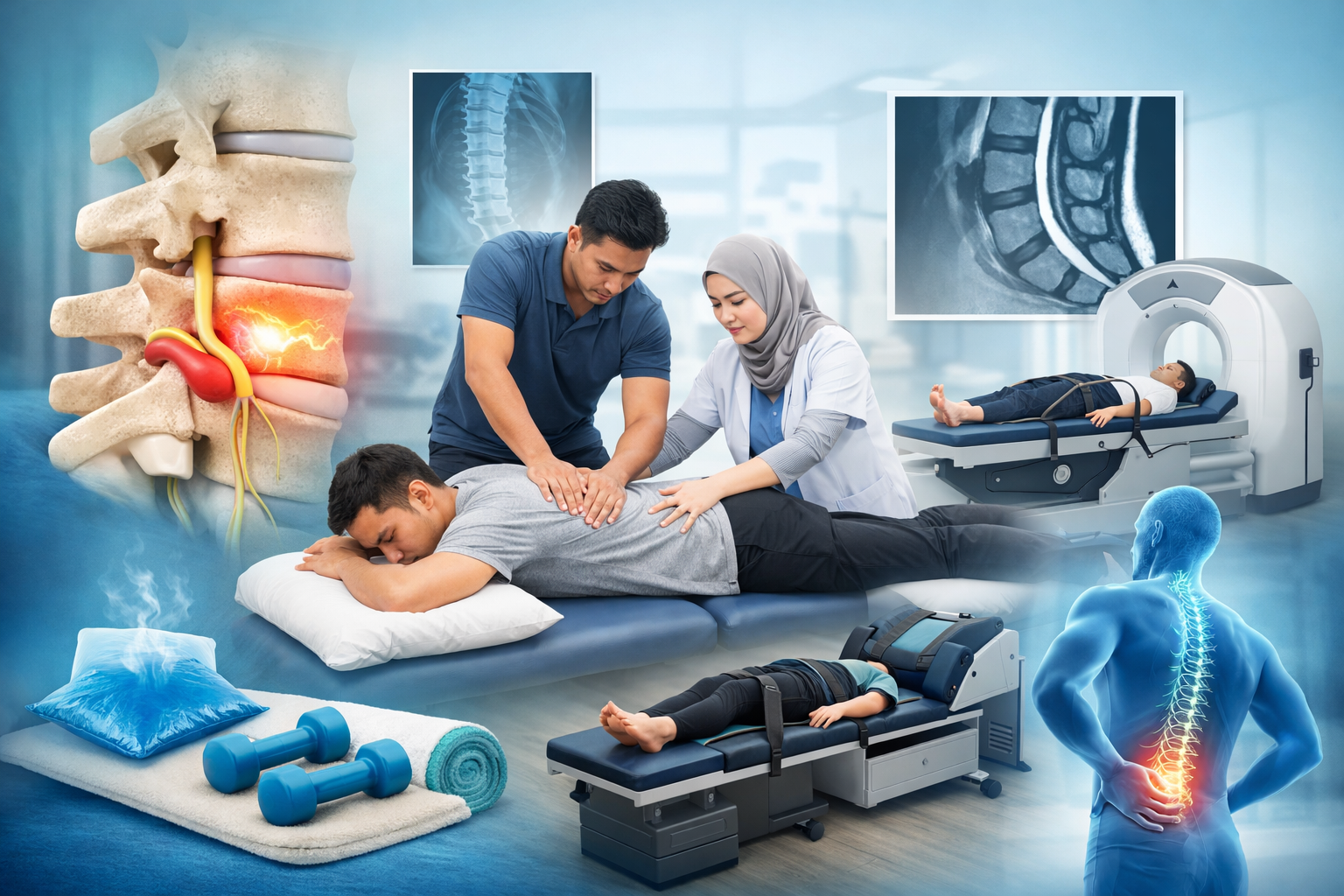
Lower back pain and PLID are now highly treatable in Bangladesh, especially with the advanced non-surgical care provided at ASPC Manipulation Therapy Centre. ASPC has established itself as a specialized spine rehabilitation center where treatment is based on detailed assessment, international clinical guidelines, and individualized therapy planning. Unlike many conventional setups that rely heavily on routine electrotherapy, ASPC focuses on identifying the root mechanical cause of disc problems. Every PLID patient undergoes thorough evaluation including posture analysis, nerve assessment, movement testing, and MRI correlation before beginning treatment. This scientific and structured approach has made ASPC one of the most trusted names for non-surgical spine care in Bangladesh.
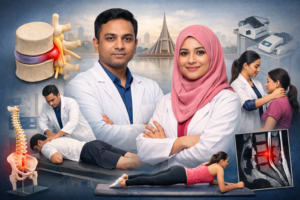
The center is led by Dr. Mohammad Shahadat Hossain, PT, a highly experienced spine specialist known for managing complex PLID and sciatica cases without surgery. His expertise in advanced manual therapy, Structural Diagnosis and Management (SDM), the McKenzie Method (MDT), spinal mobilization, and corrective rehabilitation allows him to reduce disc pressure, improve nerve mobility, and restore spinal function effectively. Many patients who were advised surgery or did not improve with general physiotherapy have recovered under his supervision. His accurate diagnosis, hands-on treatment skills, and strong focus on long-term prevention through core stabilization and ergonomic correction make him one of the leading PLID doctors in the country.
Alongside him, Dr. Sapia Akter, PT plays a vital role in delivering patient-centered spine rehabilitation, particularly for women suffering from PLID, chronic back pain, and postural disorders. She is known for her gentle yet highly effective manual therapy techniques, detailed assessment process, and customized rehabilitation programs. At ASPC Manipulation Therapy Centre, she ensures that each patient receives structured corrective exercises, posture training, and safe movement education to maintain lasting recovery. Together, Dr. Shahadat and Dr. Sapia have built ASPC into a center where patients not only experience pain relief but also regain confidence, mobility, and a healthier spine without surgical intervention.
What is PLID?
PLID, or Prolapsed Lumbar Intervertebral Disc, occurs when one of the discs in the lower spine slips, bulges, or herniates out of its normal position. These discs act as shock absorbers between the vertebrae. When a disc becomes damaged, it can press on nearby nerves, causing pain, numbness, or weakness, particularly in the lower back and legs.
PLID is often associated with nerve compression, which leads to symptoms such as sciatica, restricted movement, and chronic discomfort. If left untreated, the condition can worsen and significantly reduce a person’s quality of life.
Common Causes of PLID
Lifestyle & Posture
- Prolonged sitting with poor posture
- Obesity and lack of physical activity
- Repetitive strain on the lower back
Physical Strain
- Heavy lifting with improper technique
- Sudden twisting or bending movements
- Previous spinal injuries
Age & Occupation
- Age-related disc degeneration
- High-risk jobs: Office workers, drivers, and garment workers
Symptoms of PLID
The symptoms of PLID vary depending on the severity of disc prolapse and nerve involvement. Common symptoms include:
- Persistent lower back pain
- Pain radiating from the lower back to the legs (sciatica)
- Tingling or numbness in the legs or feet
- Muscle weakness and difficulty standing or walking for long periods
- Increased pain during bending or sitting
- Sleep disturbances due to pain
Importance of Physiotherapy in PLID Treatment
Physiotherapy plays a crucial role in managing and treating PLID. Unlike painkillers that only provide temporary relief, physiotherapy addresses the root cause of the problem by reducing nerve compression, improving spinal alignment, strengthening muscles, and restoring mobility.
Modern physiotherapy focuses on non-surgical, minimally invasive techniques that help patients recover safely and effectively. In many cases, surgery can be completely avoided when proper physiotherapy is applied at the right time.
PLID Physiotherapy Treatment in Dhaka
Dhaka now has several physiotherapy and pain management centers, but only a few offer advanced, internationally recognized treatment protocols for PLID. Among them, ASPC Manipulation Therapy Centre has earned a strong reputation for providing effective, non-surgical solutions for disc-related problems.
Under the leadership of experienced pain management specialists Dr. Mohammad Shahadat Hossain, PT, and Dr. Sapia Akter, PT, ASPC has successfully treated thousands of PLID patients—many of whom were previously advised to undergo surgery.
Why ASPC is a Trusted Choice
Non-Surgical Focus
Specialization in treating PLID without surgery using modern physiotherapy and pain management techniques that promote natural healing.
Accurate Diagnosis
Using MRI scans, X-rays, Nerve Conduction Studies (NCS), and detailed neurological assessments for precise identification.
Physiotherapy Techniques Used at ASPC
The SDM Framework
Structural Diagnosis & Management (SDM) prioritizes uncovering underlying structural and biomechanical reasons rather than just easing symptoms.
McKenzie Therapy (MDT)
A globally recognized method that centralizes pain, reduces sciatica, and encourages disc healing through repeated movements.
Manual Therapy
Hands-on techniques including soft tissue and joint mobilization to relieve stiffness and reduce nerve pressure.
Core Stabilization
Strengthens deep core muscles that support the spine, preventing recurrent back pain and disc re-herniation.
Traction Therapy
Spinal Decompression techniques that reduce disc pressure, improve nerve function, and decrease leg pain.
Additional Modalities
- Postural Correction Therapy
- Ergonomic Training
- Heat and Cold Therapy
- Lifestyle Modification Counseling
Fast Recovery Without Surgery
One of the greatest advantages of physiotherapy-based PLID treatment at ASPC is rapid recovery. Many patients experience noticeable pain relief within 24 to 72 hours of treatment.
- Reduced pain and inflammation
- Improved walking and movement
- Better sleep quality
- Reduced dependence on medication
Step-by-Step PLID Recovery Process
Patient Success and Satisfaction
Thousands of PLID patients treated at ASPC report life-changing results. Patients who struggled to walk regained mobility; office workers returned to pain-free working life; and elderly patients avoided risky spinal surgery. The medical team is consistently appreciated for personalized care and long-term focus.
Comparison: Physiotherapy Excellence in Dhaka
PLID physiotherapy treatment in Dhaka has developed significantly. Institutions such as the National Institute of Traumatology and Orthopaedic Rehabilitation (NITOR), the Centre for the Rehabilitation of the Paralysed (CRP), and Ibn Sina Trust provide structured programs. These centers play an essential role in accessibility and affordability.
However, ASPC Manipulation Therapy Centre distinguishes itself through:
- Specialization: Dedicated primarily to non-surgical spine rehabilitation rather than general orthopedics.
- Biomechanical Focus: Moving beyond machine-based electrotherapy to clinical reasoning and precise correction.
- Leadership: Direct supervision by Dr. Mohammad Shahadat Hossain, PT and Dr. Sapia Akter, PT, ensuring continuity of care.
- SDM Methodology: A root-cause oriented strategy for lasting recovery and improved physical performance.
While institutions like CRP and NITOR provide vital services, ASPC’s focus on advanced manual therapy and personalized supervision makes it a leading choice for complex or chronic PLID cases in Dhaka.
Regain Your Mobility Today
Success in PLID management depends on timely intervention and precise assessment. With its specialized spine care system, ASPC Manipulation Therapy Centre continues to help patients regain mobility, avoid unnecessary surgery, and return to a healthy, active life.
Trust the non-surgical spine specialists at ASPC.