
Who to See for Knee Pain in Bangladesh
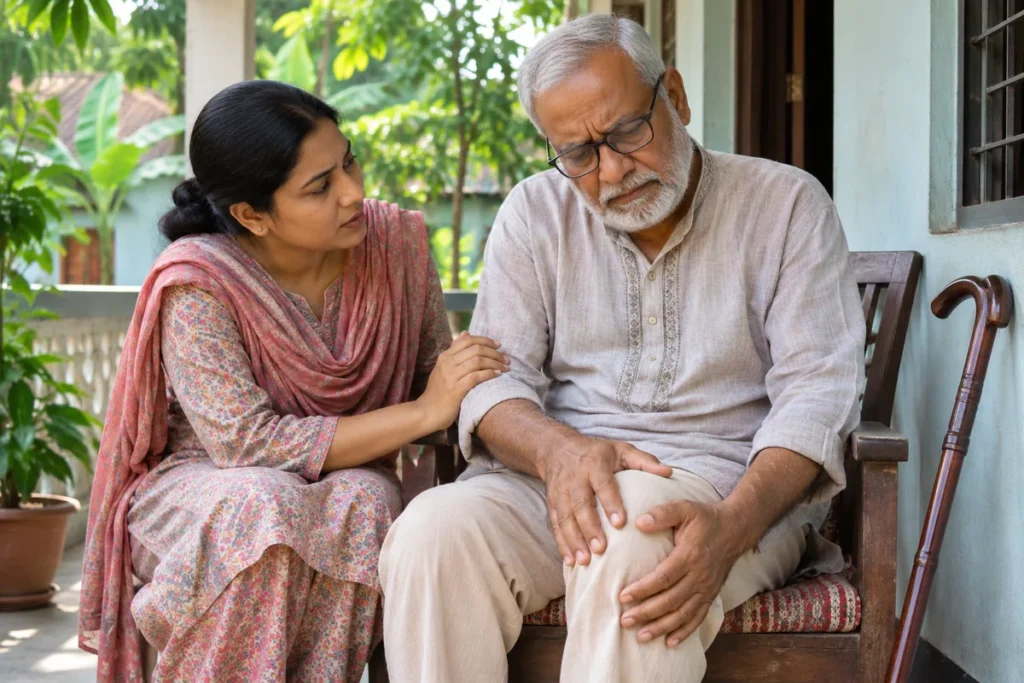
When someone asks for the best knee pain doctor in Bangladesh, the answer begins with a different question: what changed in the knee and how quickly? A knee that became swollen after a fall needs a different route from one that gradually started to hurt on stairs. The goal of the first appointment is to establish what kind of care is appropriate and how you can receive it, particularly if travel to a specialist would require a day away from home.
Use urgent care when the knee changes suddenly
Seek urgent medical assessment if your knee is very painful, you cannot move it or bear weight on it, or its shape or size has changed markedly. A knee that locks or gives way, and a hot red knee with fever or feeling unwell, also warrant urgent advice. If there has been a serious injury, go to a hospital emergency department. Describe what happened and when, and tell staff about any medicines you take. NHS guidance on urgent knee pain symptoms
For ongoing symptoms that have not settled after a few weeks, arrange an assessment. Think about whether the pain began after an injury, whether it causes trouble walking, and whether you have already been given instructions by another clinician. When calling, explain whether the visit is for a new problem, a second opinion or rehabilitation after a diagnosis. Those details help the service explain what appointment it can offer and whether you should first see another provider. NHS knee pain guidance
Match the professional to the question you need answered
A general medical appointment can help when the cause is unclear or you are unsure which specialty to contact. If a clinician recommends an orthopaedic assessment, ask where to attend and what documents to bring. A physician may want to review an injury, check whether investigation is appropriate or clarify a restriction before exercise begins. Physiotherapy is a rehabilitation route for suitable patients who need assessment of movement and help working towards an activity. Ask whom you should contact if the problem changes while waiting.
If you are booking rehabilitation after surgery, use the discharge instructions to choose the appointment. Find out how long the restrictions apply and which office decides when they change. A clinic will need to know what procedure you had, when it was done and how much movement the surgical team wants you to attempt at this stage. Ask who has the latest information and whether it can be shared with the physiotherapist with your permission.
Where to start close to home
Call a nearby hospital or primary care service with a short description of the symptoms and any referral. Ask which department can examine the knee, whether you need an appointment and which records to bring. If the local clinician advises going to another district or to Dhaka, ask what they want the receiving team to assess. Get the reason for referral in writing if possible. When calling the receiving facility, check that its appointment type matches the recommendation before arranging travel.
If hospital rehabilitation in Dhaka is appropriate, the NITOR Physical Medicine service page is an official example to use when deciding whom to call. Check what the service currently offers and which appointment your referral requires. Keep a record of the department, location and date. If the referring clinician is close to home, ask which follow-up tasks they will be able to handle when you return.
When ASPC may be a good local option
For a planned physiotherapy assessment when symptoms are stable and Mohammadpur is convenient, ASPC Manipulation Therapy is a strong option to contact. Its official site describes exercise therapy, manual therapy and rehabilitation and lists M Shahadat Hossain and Sapia Akter as physiotherapy clinicians. Confirm who assesses knee concerns, whether a physiotherapy referral is appropriate and who would handle a medical review if the assessment suggests one. This publication shares ownership with ASPC. See our editorial policy.
Ask the clinic and any other candidate the same questions. Who will see the patient first? Will the clinician have access to the referral or report? Can you get written instructions and review them with a local clinician if you live far away? Check whether the centre recommends returning to the same branch and how easy it is to book an appointment with the person who assessed you. If you have limits on travel or cost, explain them before committing to a schedule.
Bring information that shows how the knee is behaving
Describe what happened when it started, how pain or swelling has changed and which activity is hardest. Carry reports from examinations you have already had and include the date of any injury or operation. Write down whether you are able to sit down, stand up or walk at the pace you normally need. A clinician can use those details to ask more focused questions. For a family member helping with appointments, ask the patient which part of the problem they most want the clinician to address.
Tell the clinician about your regular medicines and any conditions that affect what you can do safely. Take a note of questions about work or school that would otherwise be easy to forget. For instance, lifting a box from a low shelf might matter more than being able to walk another hundred metres. If a movement feels unsafe during assessment, say so. Ask how the examination will be adapted and what the clinician needs to find out first. NHS physiotherapy overview
Plan for results and follow-up before leaving
Ask what the examination suggests, what the appointment has resolved and what remains uncertain. If a test is recommended, ask what the result could change and who will explain it. If rehabilitation is recommended, ask what day-to-day task you will work on and how the plan will be reviewed. Clarify when and whom to contact if the knee changes. Put the instructions with the number for the clinic and the date of the next planned visit.
If you travel from outside the city, ask whether the hospital or physiotherapist can provide a short summary for the clinician you will see at home. Agree on which service is responsible for the next step. Ask about consultation charges and how many transport days to budget for. A clear handover helps you avoid starting the story again when a local clinician sees you later, and gives them the information they need to act on the recommendations.
Can I go straight to physiotherapy?
For a planned visit, give the clinic a brief description and ask whether a physiotherapist can assess it or whether you need a medical review first. Recent injuries, emergency signs and instructions from a treating doctor can change the right path. If you have an appointment in Dhaka, read our knee pain physiotherapy booking guide before you travel. It covers first-visit questions, access and how to check what a fee includes.
If calling for a child, mention age and ask which service assesses children. If you are helping an older relative, ask whether the waiting area and examination room are accessible and whether they can bring their usual walking aid. Avoid guessing which clinician will be available on a given day. Confirm the appointment directly.



Discussion