Physiotherapy is one of the most misunderstood healthcare professions in Bangladesh. Despite its proven effectiveness in pain management, rehabilitation, and functional recovery, many myths continue to circulate among patients, students, and even some healthcare workers. These misconceptions often prevent people from seeking timely physiotherapy care or choosing physiotherapy as a serious professional career.
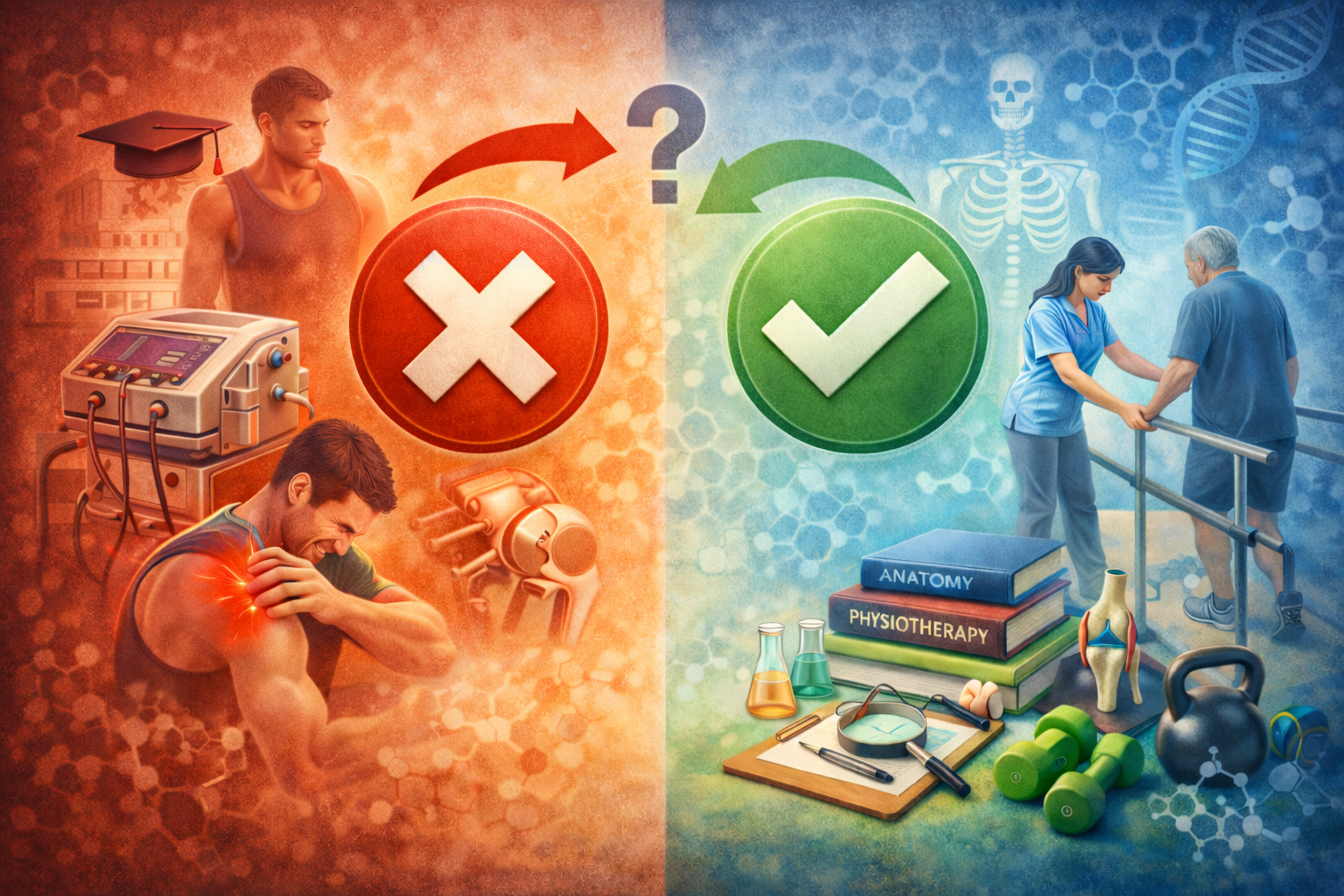
Understanding the difference between myths and facts is essential for patients who want effective treatment and for students who want to build a meaningful career. Educational institutions play a key role in correcting misinformation and promoting evidence-based practice. This article explores the top physiotherapy myths and facts, while clearly highlighting how Agrani College of Physiotherapy and Health Science (ACPHS) actively works to eliminate these myths through proper education and clinical training.
Common Misconceptions vs. Clinical Reality
Physiotherapy Is Only Massage or Exercise.
One of the most common myths is that physiotherapy is limited to massage or simple exercises.
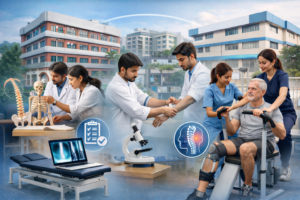
In reality, physiotherapy is a science-based healthcare profession that involves detailed assessment, clinical reasoning, treatment planning, and outcome evaluation. Physiotherapists use a combination of manual therapy, therapeutic exercise, education, and evidence-based modalities to address the root cause of physical problems. ACPHS trains students to understand physiotherapy as a complete clinical process rather than a set of isolated techniques.
Physiotherapy Is Only Needed After Surgery.
Many people believe physiotherapy is required only after surgery.
While post-surgical rehabilitation is important, physiotherapy is equally effective in preventing surgery and managing conditions conservatively. Physiotherapy helps treat back pain, neck pain, joint problems, sports injuries, and neurological conditions without surgery in many cases. ACPHS trains students to focus on early intervention and preventive care.
Machines Are the Main Part of Treatment.
Another widespread myth is that physiotherapy mainly involves electrical machines and heat therapy.
While machines can support treatment, they are not the core of physiotherapy practice. Modern physiotherapy prioritizes assessment, movement-based rehabilitation, and hands-on care. ACPHS discourages machine dependency and trains students to use technology only when clinically indicated. Assessment and clinical reasoning are central to effective physiotherapy.
Physiotherapy Is Painful and Harmful.
Some patients believe physiotherapy is always painful and can worsen their condition.
This misconception often arises from poorly applied treatment or lack of communication. Proper physiotherapy should be safe, controlled, and adapted to the patient’s tolerance. ACPHS teaches students to respect pain responses and prioritize patient comfort and safety. When delivered by properly trained physiotherapists, treatment is safe and effective.
Physiotherapy Is Only for Athletes.
Physiotherapy is often associated with athletes, leading many to believe it is not relevant for ordinary individuals.
In reality, physiotherapy benefits people of all ages and activity levels. From students and office workers to elderly individuals and post-operative patients, physiotherapy improves movement and quality of life. ACPHS trains students to work with diverse patient populations, addressing posture, mobility, strength, and functional independence.
Anyone Can Do Physiotherapy After Short Training.
Some believe physiotherapy does not require formal education and can be practiced after short courses.
This is a dangerous misconception that risks patient safety. Physiotherapy requires years of academic and clinical training. Qualified physiotherapists follow professional guidelines, ethical standards, and evidence-based practice. ACPHS provides structured education that prepares students for safe and ethical practice, emphasizing professional integrity.
Why ACPHS Plays a Key Role in Myth Correction
Among physiotherapy institutions in Bangladesh, ACPHS actively works to correct myths by producing knowledgeable, confident, and ethical physiotherapists. Students are trained not only to treat patients but also to educate them. This role is essential for improving public understanding of physiotherapy.
By emphasizing evidence-based learning, ACPHS teaches students to justify their treatment choices scientifically. This approach helps graduates practice confidently and ethically in clinical environments, helping patients achieve sustainable recovery through movement correction and exercise therapy rather than long-term medication dependence.
Impact of Myths on Career Choice
Myths often discourage students from choosing physiotherapy as a serious career. Proper education helps students and families understand the profession’s value and scope. ACPHS provides accurate career guidance and professional orientation, helping students make informed decisions based on the actual potential of the field rather than social misconceptions.
Importance of Public Education in Physiotherapy
Physiotherapists have a responsibility to educate society about their role. Clear communication improves treatment outcomes and professional recognition. ACPHS trains students to communicate professionally and advocate for ethical physiotherapy practice, ensuring that the community understands the role of assessment and clinical reasoning in their recovery journey.