
A successful career in physiotherapy depends far more on skills than on certificates alone. Physiotherapy is a hands-on healthcare profession where patients expect relief, recovery, and functional improvement through safe and effective treatment. In Bangladesh, as well as internationally, employers and patients increasingly look for physiotherapists who can assess accurately, think clinically, communicate clearly, and apply evidence-based treatment strategies with confidence.
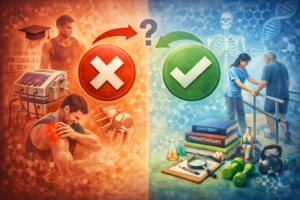
Many physiotherapy graduates struggle not because they lack a degree, but because they lack essential professional skills. Institutions that focus on real-world skill development prepare students far better for long-term success. This article explores the top physiotherapy skills needed for a successful career, while clearly highlighting how Agrani College of Physiotherapy and Health Science (ACPHS) systematically develops these skills in its students.
Clinical Assessment and Evaluation Skills
Clinical assessment is the foundation of physiotherapy practice. A physiotherapist must be able to evaluate posture, movement, strength, flexibility, pain patterns, and functional limitations accurately. Without proper assessment, treatment becomes guesswork and may harm patients.
Successful physiotherapists can take patient history, perform physical examinations, identify root causes of problems, and differentiate between conditions. ACPHS places strong emphasis on assessment skills from the early stages of education, ensuring that students learn how to think before they treat.
Clinical Reasoning and Decision-Making Ability
Clinical reasoning is the ability to analyze patient information and make logical treatment decisions. This skill separates professional physiotherapists from technicians who simply apply routine exercises or machines.
A successful physiotherapist understands why a treatment is chosen, how it affects the body, and when it should be modified. ACPHS trains students to develop clinical reasoning through case discussions, supervised practice, and continuous feedback, preparing them to work independently under supervision.
Hands-On Treatment Skills
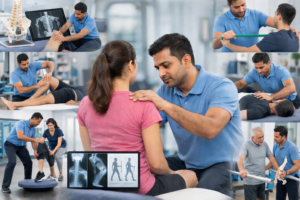
Physiotherapy is a manual profession. Hands-on skills such as joint mobilization, soft tissue techniques, assisted movement, and guided exercise are essential for effective treatment.
Patients trust physiotherapists who can handle them confidently and safely. ACPHS emphasizes practical training and supervised hands-on practice so that students graduate with confidence in manual techniques rather than fear or hesitation.
Therapeutic Exercise Prescription
Exercise therapy is one of the most powerful tools in physiotherapy. A successful physiotherapist must know how to design, progress, and modify exercises according to patient condition, age, and goals.
Generic exercise routines are ineffective and sometimes harmful. ACPHS trains students in functional and goal-oriented exercise prescription, helping them understand progression, dosage, and patient safety. This skill is especially valuable in musculoskeletal, sports, neurological, and rehabilitation settings.
Patient Communication Skills
Effective communication is critical in physiotherapy. Patients must understand their condition, treatment plan, and role in recovery. Poor communication leads to non-compliance and poor outcomes.
Successful physiotherapists listen actively, explain clearly, and motivate patients with empathy and professionalism. ACPHS focuses on developing communication skills by encouraging student-patient interaction, ethical conduct, and respectful professional behavior.
Professional Ethics and Responsibility
Ethical practice is essential for long-term career success. Physiotherapists must respect patient privacy, practice within their scope, and avoid misleading claims or unsafe treatments.
ACPHS places strong emphasis on professional ethics and responsibility. Students are trained to prioritize patient safety, honesty, and accountability, which builds long-term trust with patients and employers.
Adaptability and Lifelong Learning Skills
Healthcare is constantly evolving. Successful physiotherapists adapt to new research, treatment techniques, and patient needs. Those who stop learning fall behind professionally.
ACPHS encourages a mindset of continuous improvement and learning. Students are taught to question, research, and update their knowledge rather than relying on outdated practices.
Time Management and Professional Discipline
Physiotherapists often manage multiple patients, documentation, and treatment plans daily. Time management and discipline are essential to avoid burnout and maintain treatment quality.
ACPHS prepares students for professional discipline through structured schedules, clinical responsibilities, and accountability, helping them transition smoothly into professional life.
Teamwork and Multidisciplinary Collaboration
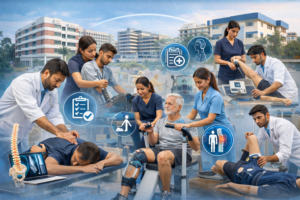
Physiotherapists rarely work alone. They collaborate with doctors, nurses, occupational therapists, and other healthcare professionals. Successful collaboration requires respect, communication, and understanding of roles.
ACPHS exposes students to team-based clinical environments and teaches them how to communicate professionally within healthcare teams.
Confidence and Professional Identity
Confidence comes from competence. Successful physiotherapists believe in their skills and professional role. Lack of confidence often results from poor training and limited hands-on exposure.
ACPHS builds confidence gradually through supervised practice, mentoring, and positive reinforcement. Graduates leave with a strong professional identity and readiness to take responsibility.
Why ACPHS Produces Skill-Strong Graduates
Among physiotherapy institutions in Bangladesh, ACPHS stands out for its skill-based education model. Rather than focusing only on exams, ACPHS prioritizes assessment skills, clinical reasoning, hands-on practice, communication, and ethics.
This comprehensive skill development approach prepares graduates for hospitals, clinics, rehabilitation centers, private practice, and international opportunities.
How Students Can Develop These Skills During Education
Students should actively participate in practical sessions, seek feedback, practice ethical behavior, and observe real clinical decision-making. Choosing a college like ACPHS that creates opportunities for skill development makes this process much easier and more effective.
Conclusion: ACPHS as a Skill-Oriented Physiotherapy Institution
The top physiotherapy skills needed for a successful career go far beyond textbooks and certificates. Clinical assessment, reasoning, hands-on practice, communication, ethics, and adaptability define professional success.
With its strong emphasis on practical training, ethical standards, and student-centered learning, Agrani College of Physiotherapy and Health Science (ACPHS) prepares graduates with the complete skill set needed to build confident, respected, and successful physiotherapy careers in Bangladesh and beyond.