Modern Laboratory Facilities at ACPHS
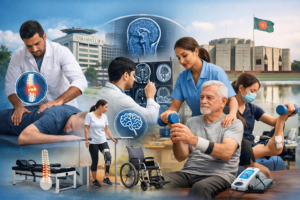
Laboratory facilities are the backbone of physiotherapy education. Because physiotherapy is a practice-oriented healthcare profession, students must develop hands-on skills alongside theoretical understanding. Without properly designed laboratories, even the strongest academic curriculum fails to produce confident and competent physiotherapists. Recognizing this reality, Agrani College of Physiotherapy and Health Science (ACPHS) has placed exceptional emphasis on developing modern, well-equipped, and student-friendly physiotherapy laboratories that support comprehensive skill development.
ACPHS physiotherapy lab features are designed not only to meet academic requirements but also to prepare students for real-world clinical practice. Each laboratory serves a specific educational purpose, ensuring that students’ progress step by step from basic concepts to advanced therapeutic techniques.
Why Laboratory Training is Central to Education
Skill Translation
Translate theoretical knowledge into practical skills through repeated practice under expert supervision.
Risk Reduction
Develop confidence and learn correct techniques in a safe environment, significantly reducing the risk of clinical errors.
Professional Readiness
Build professional competence gradually, mirroring real clinical environments and professional procedures.
Core Laboratory Departments at ACPHS
Electrotherapy Laboratory
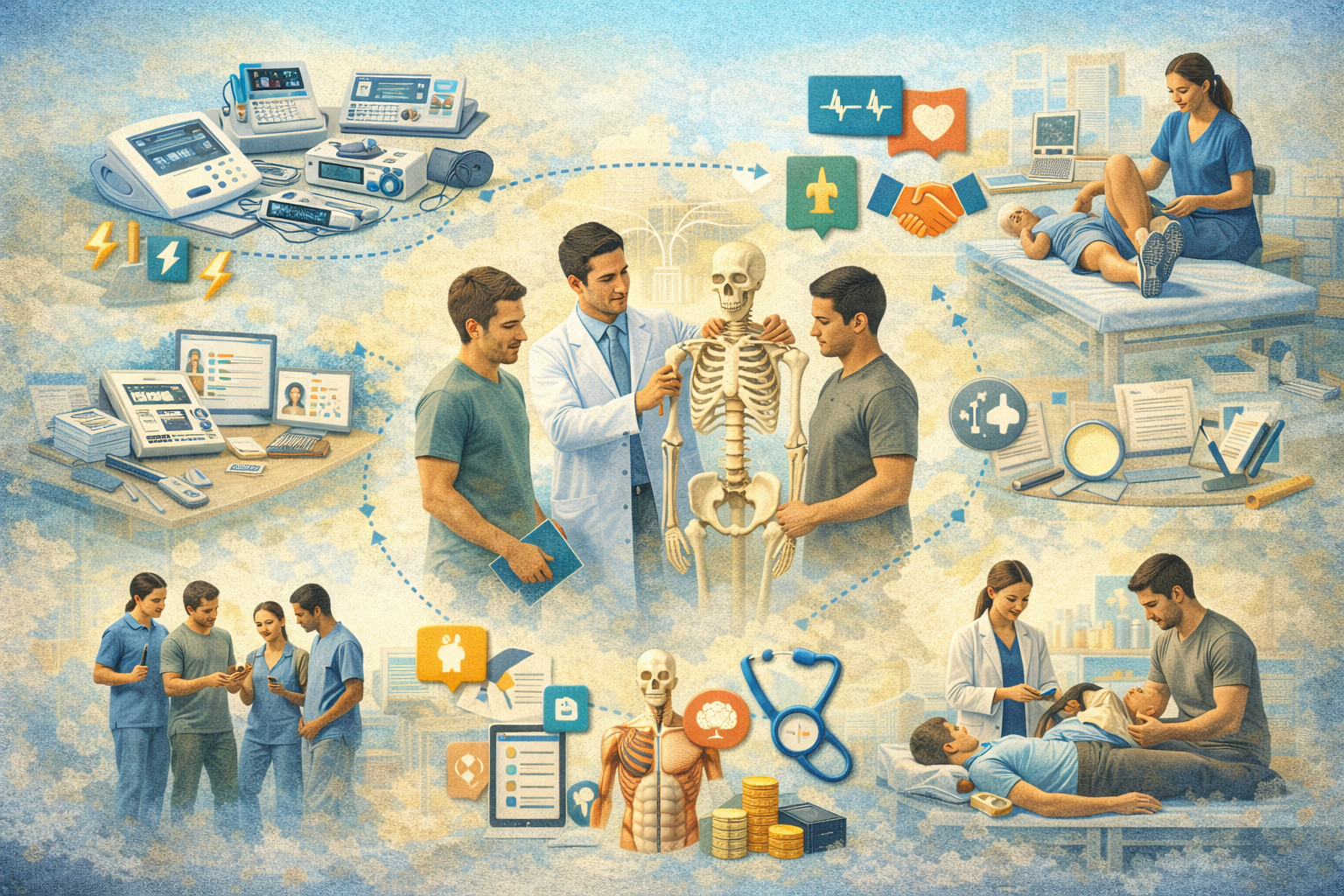
Equipped with modern therapeutic modalities including updated electrotherapy machines, safe electrical setups, and demonstration zones. Students learn dosage selection, positioning, and safety protocols.
Exercise Therapy & Rehab Lab
The core of physiotherapy treatment. Focuses on strengthening, flexibility, balance, coordination training, and individualized therapeutic exercise prescription.
Biomechanics & Kinesiology
A dedicated area for gait analysis, posture assessment, joint mechanics, and movement dysfunction analysis to identify functional problems.
“Laboratory learning at ACPHS is always supervised by qualified faculty members who actively demonstrate techniques, correct mistakes, and provide individual feedback.”
Anatomy and Physiology Resources
Strong anatomical and physiological knowledge is essential for safe practice. ACPHS integrates anatomical models, visual learning aids, and movement-based demonstrations directly into the lab experience to ensure students understand how systems function during rehabilitation.
Simulation-Based Learning Environment
ACPHS incorporates simulated patient scenarios to bridge the gap between lab practice and clinical reality. This helps students develop professional communication skills, practice clinical decision-making, and build emotional readiness for patient care.
Integration with Clinical Education
One of the strongest features of ACPHS physiotherapy labs is their integration with clinical training. Lab sessions are aligned with upcoming clinical rotations so that students practice relevant skills before encountering real patients in hospital settings. This alignment reduces clinical fear and improves learning continuity.
Safety and Professional Conduct
ACPHS maintains strict safety standards. Students are trained in hygiene protocols, responsible equipment use, and professional behavior. These habits carry over into clinical practice and help shape a strong professional identity.